Extended Producer Responsibility Packaging: What Ecommerce Brands Need to Know


Learn how extended producer responsibility packaging laws affect ecommerce margins, and how right-sized automation helps brands manage rising EPR fees.
Learn how extended producer responsibility packaging laws affect ecommerce margins, and how right-sized automation helps brands manage rising EPR fees.
The cost of delaying automation in your business is causing more financial distress than you may think. Access the automation and packaging solutions for your operation today!
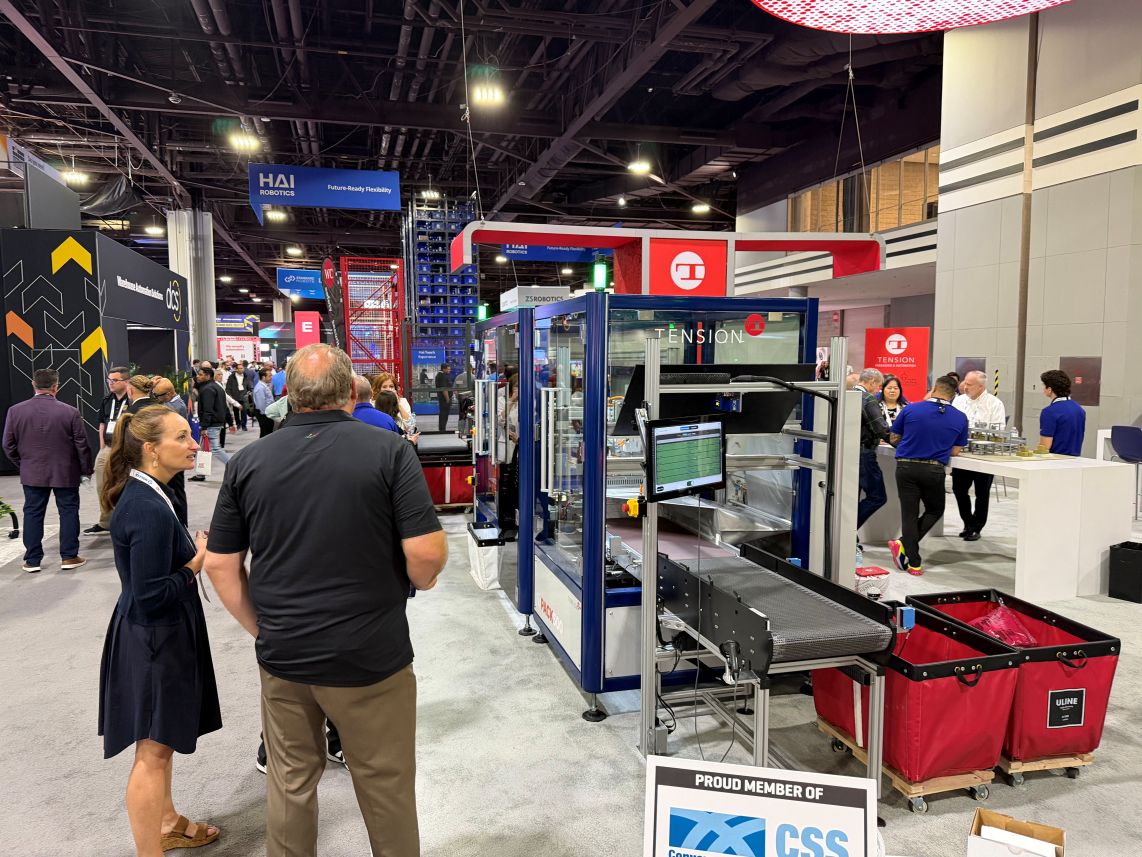
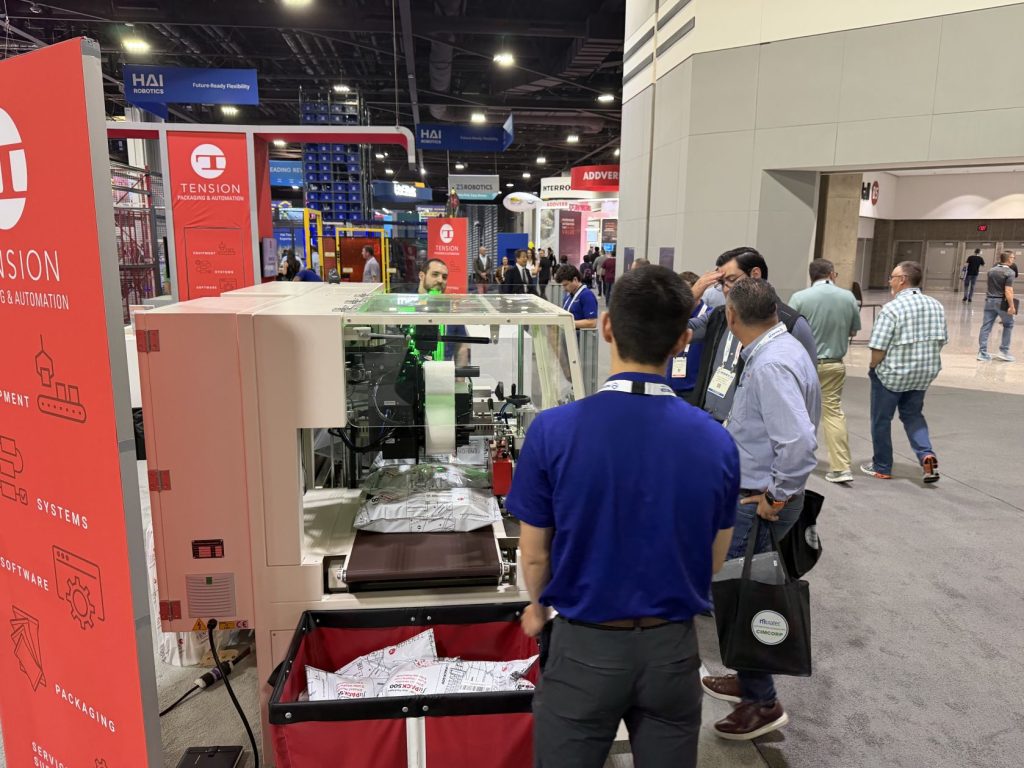
Tension had the pleasure of attending the 2026 MODEX show in Atlanta this year. From April 13-16, we connected with customers, partners, and fellow industry leaders. This blog outlines some of our key takeaways.
MODEX 2026 made one thing clear: the industry is moving faster, thinking smarter, and demanding more from automation. Across every conversation, one theme consistently surfaced. How to do more with less, without adding complexity.
Hear from three of our subject matter experts on what to look out for in packaging and automation this year.

“The biggest takeaway is that automation is not a ‘nice to have’—it’s a requirement. We are seeing customers being much more strategic in their purchases. They are not looking for one-off pieces of machinery, they want to see how it fits into their entire system.”
— Jim Herbert, VP & GM of Tension Packaging & Automation
That sentiment echoed across our conversations. What stood out even more was how companies are approaching automation. There is a clear shift toward practical systems that can be deployed quickly and scaled over time.
Want to know more about how to start small and scale with confidence?

“Warehouse technology isn’t simply automated; it is becoming more adaptive… capable of making real time operational decisions.”
— Erin Moloney, Account Executive
Robotics were everywhere at MODEX, but the real story was the intelligence layered on top. AI-driven optimization, adaptive workflows, and smarter decision making are reshaping fulfillment operations. When paired with packaging automation platforms like fitPACK500™ and HPS300, these technologies create connected workflows that are faster, more efficient, and more responsive.
See how fitPACK500™ is driving smarter packaging outcomes:

“No matter how large or small a company is, the goal is to further automate their warehouses and distribution centers.”
— Jeff Ringel, Account Executive
Labor challenges remain one of the most pressing issues. Companies are struggling to find and retain qualified workers, leading to inconsistent operations.
At the same time, rising costs and economic uncertainty are pushing organizations to rethink how they operate. Automation is about more than efficiency. It is about stability and long-term sustainability.
Explore automation strategies built for today’s labor challenges:
“There’s a common belief that more automation always equals better outcomes. In reality, the key is thoughtful system design.”
— Jim Herbert, VP & GM of Tension Automation & Packaging
As automation adoption increases, so does the need for balance. Overly complex systems can create new bottlenecks instead of solving them.
Customers are looking for flexibility, systems that handle variability, and solutions that integrate cleanly with existing operations.
Learn how to design automation systems that actually work together:
MODEX 2026 offered a clear preview of where the industry is heading. Not toward isolated machines solving single tasks, but toward connected systems working together intelligently.
The opportunity is not just to automate. It is to automate with purpose.
Start building a smarter, more connected operation by getting in touch now.
When you’re evaluating fulfillment automation solutions for eCommerce or pharmacy operations, it’s easy to focus on the machinery. Specs, cycle rates, integration points, and price all matter. They just don’t tell the whole story. The vendor behind the system will influence your uptime, your accuracy, and even how confidently your team can push through seasonal, clinical, or regulatory demands. Automation isn’t a one-and-done purchase. It’s a long-term relationship that should strengthen your operation’s daily performance.
Here’s what to look for when choosing a packaging and automation partner—and why those qualities matter.
When something goes wrong in a fulfillment or pharmacy environment, you don’t have hours to spare. You need quick answers, trained technicians, and a service structure that gets you back online. A strong partner offers responsive troubleshooting, predictable maintenance plans, and technicians who know your system inside and out.
eCommerce Example: Picture your automated bagger stalling on Cyber Monday. Orders keep flowing, but your system isn’t. A partner with fast-response support and stocked replacement parts prevents a three-hour hiccup from becoming a three-day backlog. Their goal should be to treat installation as the starting line, not the finish line.
Your automation equipment doesn’t operate in a vacuum. You need compatible machines, software, packaging materials, labeling systems, and often robotics or conveyance. A partner with solutions and experience across the full ecosystem can help you avoid patchwork fixes that slow operations or introduce errors.
Pharmacy Example: A central-fill pharmacy may run multiple dispensing technologies while relying on mail-ready packaging downstream. If those pieces come from different vendors that don’t integrate well together, troubleshooting becomes a guessing game. Your equipment provider should be able to design a cohesive workflow that works within your operation.
eCommerce and pharmacy operations have very different requirements. Pharmacies must maintain chain-of-custody, patient safety, and compliance. eCommerce teams battle extreme volume swings, SKU variability, and customer expectations for speed. A knowledgeable partner understands these pressures and designs systems around them.
eCommerce Example: A third-party logistics (3PL) provider shipping thousands of SKUs needs packaging flexibility and fast changeovers. If a vendor doesn’t understand that, you end up with bottlenecks every time a client changes their product mix. A partner with direct fulfillment expertise builds solutions that keep your lines moving even when your inventory shifts hour by hour.
Automation systems evolve. Parts wear, processes change, and your facility will almost certainly adapt its workflow over time. Lifecycle management includes preventative maintenance, performance tracking, upgrades, and end-of-life planning. You want a partner who supports you long after go-live.
Pharmacy Example: A specialty pharmacy may add new medication programs or increase patient volume. Without lifecycle planning, the original system becomes a limitation. A partner who monitors performance and suggests upgrades keeps your throughput steady and your accuracy intact.
A strong automation partner brings a service team that knows the equipment down to the component level. Their technicians should understand system operation, detailed schematics, fault diagnostics, and the full spare parts strategy. That depth of knowledge keeps your operation moving because problems get resolved quickly and accurately.
eCommerce Example: If a conveyor fault stops your packing line during a high-volume afternoon, you need a service tech who can diagnose the issue within minutes, not hours. A partner with a deeply trained field team can pinpoint root causes, implement fixes that stick, and keep your backlog from spiraling. Their expertise becomes an extension of your operation when it matters most.
Your system needs to communicate and operate seamlessly. Integrated software ensures orders flow cleanly from your warehouse management system (WMS), dispensing, or pharmacy systems to packaging. Materials must feed correctly and seal consistently. A provider who understands all three reduces risk and simplifies your operation.
Pharmacy Example: If your mail pharm system prints patient documentation that doesn’t sync with packaging, you risk mis-picks or delays. A partner who integrates data, labeling, and packaging ensures every order moves through the workflow with minimal touches and maximum accuracy.
Your needs will change. You may add shifts, expand SKUs, shift packaging formats, or retrofit around legacy equipment. A strong partner offers flexible systems that grow with you, whether you’re reconfiguring a single line or scaling to a second facility.
eCommerce Example: A growing retailer may start with one automated bagger, then expand to multiple workcells as volume increases. A partner who designs for modular expansion prevents you from replacing equipment prematurely. They plan for your next three years, not just your first three months.
Choosing a packaging and automation provider is a strategic decision. Beyond a basic machinery investment, you’re investing in expertise, support, adaptability, and a relationship that will influence your daily operational performance. The right partner stands beside you through challenges, growth, and continuous improvement.
Tension Packaging & Automation brings more than 135 years of experience and a service-first mindset to the pharmacy and eCommerce sectors. Here’s how Tension aligns with the qualities above:
If you’re ready to explore what a true partnership can look like, connect with Tension’s automation experts today.